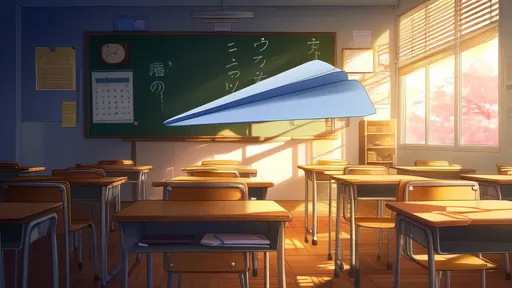
The concept of a troubled paper airplane might seem whimsical at first glance, but it carries a weight of metaphor that resonates deeply in our modern lives. A paper airplane, typically a symbol of childhood innocence and carefree creativity, becomes something else entirely when burdened by the notion of trouble. It’s a poignant image—one that speaks to the fragility of dreams, the weight of expectations, and the inevitable crashes that come with any attempt to soar.
In many ways, the troubled paper airplane mirrors the human condition. We fold ourselves into shapes we hope will fly, only to find that the winds of life are harsher than we anticipated. The paper, delicate and easily torn, is a reminder of how vulnerable we are. Yet, there’s beauty in its simplicity. Unlike a machine or a manufactured object, a paper airplane bears the marks of its creator—every crease, every imperfect fold, tells a story. It’s a vessel for emotions, a silent messenger of unspoken worries.
The act of folding a paper airplane is, in itself, a meditative process. It requires focus, patience, and a gentle touch. But what happens when the airplane refuses to fly? When it spirals downward, caught in an invisible current of disappointment? This is where the metaphor deepens. The troubled paper airplane isn’t just a failed experiment; it’s a reflection of our own struggles. We launch ourselves into the world with hope, only to be met with resistance. The question then becomes: do we crumple the paper and start anew, or do we examine the folds, searching for the flaw that grounded us?
There’s a cultural dimension to this metaphor as well. In Japan, the art of origami is steeped in tradition and symbolism. A paper crane, for instance, represents peace and healing. But a paper airplane? It’s a modern twist on an ancient practice, a bridge between the past and the present. The troubled paper airplane, then, becomes a symbol of our disjointed times—a world where tradition and progress often collide, leaving us unsure of how to move forward. It’s a reminder that even the simplest things can carry profound meaning.
On a more personal level, the troubled paper airplane can represent unfulfilled potential. Think of the child who folds a dozen airplanes, each one a little different, testing which design flies the farthest. Some soar; others nosedive. The child learns through trial and error, but what if the child gives up after too many failures? The airplane becomes a relic of abandoned curiosity. This is a danger we all face—the risk of letting our troubles ground us permanently, of forgetting the joy of the attempt itself.
The environmental angle is equally compelling. A paper airplane is ephemeral, biodegradable, a fleeting moment of joy. But when multiplied by millions, the waste adds up. The troubled paper airplane, then, can also symbolize our troubled relationship with the planet. We create, we discard, often without thought. The very material that gives the airplane its lightness—its ability to fly—also underscores its disposability. It’s a paradox that mirrors our own: we seek freedom, yet we are bound by the consequences of our actions.
Artists and writers have long been drawn to the imagery of paper airplanes. In literature, they often appear as symbols of communication—messages sent but never received, or received but misunderstood. A troubled paper airplane might represent a love letter that never reached its intended recipient, or a cry for help that got lost in the wind. The fragility of the medium mirrors the fragility of human connection. In a world where digital communication dominates, the paper airplane stands as a nostalgic reminder of tangible, imperfect, heartfelt effort.
Music, too, has embraced the metaphor. Songs about paper airplanes often carry themes of longing and missed opportunities. The airplane becomes a vessel for emotions too heavy to carry alone. When it’s troubled—when it fails to fly—it’s as if the emotions themselves are too much to bear. The music gives voice to the silent struggle of the paper airplane, and by extension, to our own unspoken troubles.
Ultimately, the troubled paper airplane is a versatile and powerful symbol. It can represent personal failure, societal disconnection, environmental neglect, or artistic expression. Its simplicity belies its depth. The next time you fold a paper airplane, take a moment to consider its journey. Will it soar, or will it falter? And what will you do if it does? The answer, much like the airplane itself, is in your hands.

By /Aug 19, 2025

By /Aug 19, 2025

By /Aug 19, 2025

By /Aug 19, 2025

By /Aug 19, 2025

By /Aug 19, 2025
By /Aug 19, 2025

By /Aug 19, 2025

By /Aug 19, 2025

By /Aug 19, 2025
By /Aug 15, 2025
By /Aug 15, 2025

By /Aug 15, 2025

By /Aug 15, 2025

By /Aug 15, 2025
By /Aug 15, 2025

By /Aug 15, 2025
By /Aug 15, 2025

By /Aug 15, 2025
By /Aug 15, 2025
