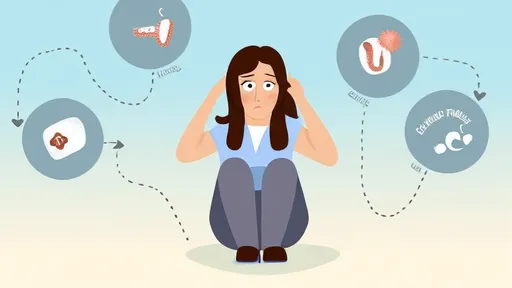
In a world where stress and emotional turbulence have become commonplace, a unique product has emerged to offer solace in an unexpected form: the emotional ice pack. Unlike traditional ice packs designed for physical injuries, these innovative creations are tailored to address emotional distress, blending functionality with psychological comfort. The concept may sound whimsical at first, but the growing popularity of emotional ice packs suggests they’re resonating with a generation seeking tangible ways to cope with intangible struggles.
The idea behind emotional ice packs is simple yet profound. They are designed to provide a physical anchor during moments of emotional overwhelm. Whether it’s anxiety, heartbreak, or frustration, holding or applying these ice packs can create a sensory distraction that helps ground individuals in the present moment. The cooling sensation serves as a gentle reminder to pause, breathe, and recalibrate—a modern twist on age-old mindfulness techniques.
What sets these ice packs apart is their thoughtful design. Many are shaped like hearts, clouds, or other soothing forms, and some even come infused with calming scents like lavender or eucalyptus. The aesthetics matter just as much as the function, turning a simple therapeutic tool into a personal comfort object. For some users, the act of reaching for an emotional ice pack becomes a ritual, a small but meaningful step toward self-care in times of distress.
The science behind why these ice packs work is rooted in basic neurobiology. Cold temperatures can stimulate the vagus nerve, which plays a key role in calming the nervous system. This physiological response can help reduce the intensity of emotional reactions, providing a bridge between body and mind. While they’re not a substitute for professional mental health care, emotional ice packs offer an accessible, immediate tool for managing overwhelming feelings.
Social media has played a significant role in popularizing emotional ice packs, with users sharing their experiences and creative variations. Some DIY enthusiasts have even started making their own, customizing them with fabrics, colors, and scents that hold personal significance. This trend highlights a broader cultural shift toward acknowledging and addressing emotional well-being in tangible, everyday ways.
Critics might dismiss emotional ice packs as a fleeting trend, but their appeal lies in their simplicity and universality. They don’t require batteries, apps, or subscriptions—just a freezer and a willingness to try something different. In a fast-paced, digitally saturated world, the tactile nature of these ice packs offers a rare moment of analog comfort.
As the conversation around mental health continues to evolve, products like emotional ice packs reflect a growing recognition of the need for diverse coping mechanisms. They may not solve deep-seated issues, but they provide a small, accessible way to practice self-compassion. Sometimes, the simplest tools can make the biggest difference in navigating the complexities of human emotions.
The rise of emotional ice packs also speaks to a deeper societal yearning for kindness—both toward ourselves and others. In a way, these small, cold comforts symbolize a larger movement toward embracing vulnerability and finding creative ways to care for our emotional selves. Whether they become a staple in self-care routines or a passing phase, their existence is a testament to the endless human capacity for innovation in the pursuit of well-being.
By /Aug 19, 2025

By /Aug 19, 2025
By /Aug 19, 2025

By /Aug 19, 2025

By /Aug 19, 2025

By /Aug 19, 2025
By /Aug 19, 2025

By /Aug 19, 2025

By /Aug 19, 2025

By /Aug 19, 2025
By /Aug 15, 2025

By /Aug 15, 2025

By /Aug 15, 2025

By /Aug 15, 2025

By /Aug 15, 2025

By /Aug 15, 2025

By /Aug 15, 2025
By /Aug 15, 2025
By /Aug 15, 2025

By /Aug 15, 2025
