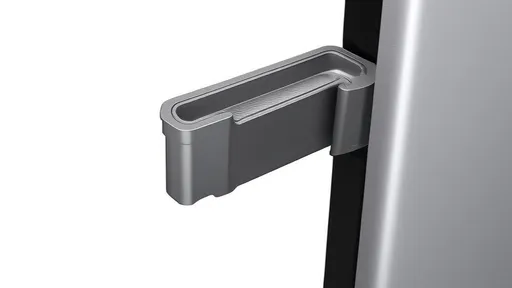
The refrigerator door seal, often overlooked in the grand scheme of kitchen appliances, plays a critical role in maintaining the efficiency and longevity of your fridge. This unassuming component is the barrier between the cool air inside and the warm air outside, ensuring that your food stays fresh and your energy bills remain manageable. Over time, wear and tear can compromise its effectiveness, leading to a host of problems that many homeowners might not immediately attribute to the seal.
When a door seal begins to fail, the first noticeable symptom is often an increase in energy consumption. The fridge has to work harder to maintain its internal temperature, which can lead to higher electricity bills. In some cases, the compressor may run almost continuously, shortening the lifespan of the appliance. A faulty seal can also cause frost buildup in freezers, as warm air sneaks in and condenses on the cold surfaces. This not only reduces storage space but can also affect the quality of frozen goods.
The materials used in modern refrigerator door seals have evolved significantly over the years. Early models relied on simple rubber gaskets, which could become brittle and crack in extreme temperatures. Today's seals often incorporate advanced polymers designed to remain flexible in both freezing cold and sweltering heat. Some high-end models even feature magnetic strips embedded within the seal, creating a stronger bond with the metal frame of the refrigerator. This innovation has dramatically improved energy efficiency across the industry.
Maintaining your refrigerator door seal doesn't require specialized tools or expensive cleaners. A simple mixture of warm water and mild detergent can remove most dirt and grime that accumulates in the folds of the seal. It's important to clean both the visible surfaces and the hidden crevices where food particles and moisture can collect. After cleaning, thoroughly drying the seal prevents moisture buildup that could lead to mold or mildew growth. Some homeowners find that applying a thin layer of food-grade silicone lubricant helps maintain the seal's flexibility.
Replacement of a worn-out door seal might seem daunting, but many modern refrigerators are designed with this maintenance task in mind. Manufacturers typically offer replacement seals specifically designed for each model, complete with detailed installation instructions. The process usually involves removing the old seal by releasing it from its mounting channel and carefully pressing the new one into place. Taking the time to properly align the new seal ensures optimal performance and prevents future issues. While some homeowners prefer professional installation, many find it's a manageable DIY project.
The environmental impact of refrigerator door seals extends beyond individual households. When millions of refrigerators operate with compromised seals, the collective energy waste becomes significant. Utility companies and environmental organizations often highlight proper seal maintenance as an easy way for consumers to reduce their carbon footprint. Some energy efficiency programs even offer rebates or incentives for replacing old seals, recognizing their importance in overall household energy conservation.
Innovation in door seal technology continues to advance, with researchers exploring new materials and designs. Recent developments include seals that change color when they begin to degrade, providing a visual warning to homeowners. Other prototypes incorporate antimicrobial properties to inhibit bacterial growth in the moist environment of refrigerator doors. As smart home technology evolves, we may see seals equipped with sensors that alert users to potential failures before they impact performance.
The humble refrigerator door seal represents an excellent example of how small components can have outsized impacts on appliance performance. By understanding its importance, maintaining it properly, and replacing it when necessary, consumers can extend the life of their refrigerators while reducing energy consumption. In an era of increasing environmental awareness and rising energy costs, this simple maintenance task takes on new significance for both household budgets and planetary health.
By /Aug 19, 2025
By /Aug 19, 2025

By /Aug 19, 2025

By /Aug 19, 2025

By /Aug 19, 2025

By /Aug 19, 2025

By /Aug 19, 2025

By /Aug 19, 2025

By /Aug 19, 2025

By /Aug 19, 2025
By /Aug 15, 2025

By /Aug 15, 2025

By /Aug 15, 2025

By /Aug 15, 2025

By /Aug 15, 2025

By /Aug 15, 2025

By /Aug 15, 2025

By /Aug 15, 2025

By /Aug 15, 2025

By /Aug 15, 2025
