The Best Time to Drink Yogurt Isn't After Meals!

Aug 19, 2025 By

For years, we've been told that the best time to enjoy yogurt is after meals. This widely accepted belief has become nutritional gospel for millions of health-conscious consumers worldwide. However, emerging research and nutritional science are challenging this long-held assumption, revealing that the post-meal timing might not be the most beneficial approach after all.


The traditional recommendation to eat yogurt after meals stems from the idea that its probiotics would aid digestion. Many cultures have served yogurt as a dessert or palate cleanser following heavy meals. This practice became so ingrained that few questioned its validity. Yet when we examine how our digestive system interacts with yogurt's components at different times of day, a more nuanced picture emerges.


Morning emerges as a surprisingly optimal time for yogurt consumption. After fasting overnight, our stomach acid levels are relatively low, creating a more hospitable environment for probiotics to survive their journey through the gastrointestinal tract. The live cultures in yogurt face less acidic hostility when consumed on an empty stomach, potentially increasing their survival rate and colonization in the gut.


Nutritionists point out that yogurt's protein content makes it particularly valuable when eaten in the morning. The high-quality proteins - casein and whey - provide sustained energy release and help stabilize blood sugar levels throughout the day. This makes yogurt an excellent breakfast choice rather than just an afterthought following lunch or dinner.


The pre-workout window represents another strategic time for yogurt consumption. Approximately 30-60 minutes before exercise, yogurt provides an ideal balance of easily digestible carbohydrates for energy and proteins that will begin repairing muscles during the workout. The natural sugars offer quick fuel, while the protein content helps prevent muscle breakdown during intense physical activity.


Contrary to popular belief, consuming yogurt immediately after meals may actually diminish some of its health benefits. When mixed with a stomach full of other foods, yogurt's probiotics must compete with everything else in the digestive queue. The increased stomach acid production needed to break down a full meal creates a harsher environment for delicate probiotic strains.


Yogurt's calcium absorption presents another compelling reason to reconsider post-meal timing. Certain compounds in meals, particularly phytates found in grains and oxalates present in many vegetables, can bind to calcium and inhibit its absorption. By consuming yogurt separately from these foods, we may enhance our body's ability to utilize this essential mineral.


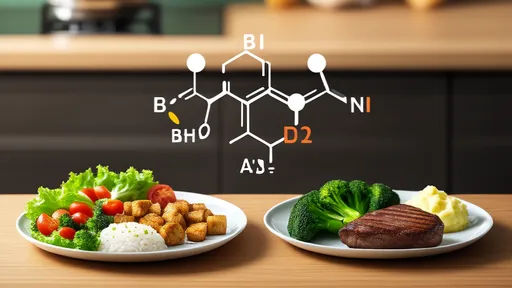
The composition of different yogurt types also plays a role in timing considerations. Greek yogurt, with its higher protein content, makes an excellent morning or pre-workout choice. Traditional fermented yogurts rich in diverse probiotic strains might be most beneficial when consumed away from other foods to maximize microbial survival. Even the fat content matters - full-fat yogurts can help with satiety when eaten as a snack between meals.


Individuals with specific health conditions may need to pay particular attention to their yogurt timing. Those with lactose intolerance often tolerate yogurt better when consumed with other foods, despite the general recommendations. People managing diabetes might benefit from pairing yogurt with fiber to slow sugar absorption. The "best" time ultimately depends on one's unique digestive system and health goals.


Culturally, we may need to rethink how we incorporate yogurt into our diets. Instead of automatically reaching for yogurt as a dessert substitute, we could consider it as a nutritional powerhouse in its own right - worthy of prime positioning in our daily eating schedules. This shift in perspective aligns with growing understanding about gut health's central role in overall wellbeing.


The temperature of yogurt consumption also interacts with timing considerations. In many Western countries, chilled yogurt first thing in the morning might feel unsettling to digestion, while in Middle Eastern cultures, room temperature yogurt at breakfast is commonplace. These cultural adaptations remind us that optimal consumption involves both timing and preparation methods.


Practical challenges exist in changing long-established yogurt habits. The convenience of after-meal consumption, when we're already in "eating mode," makes it an easy default. Morning routines may not easily accommodate adding another item, especially for those who prefer quick breakfasts. However, the potential health benefits may justify this adjustment in our daily patterns.


Scientific studies on yogurt timing remain somewhat limited, with most research focusing on its nutritional composition rather than consumption chronology. However, the existing evidence combined with our growing understanding of circadian nutrition and gut microbiome science strongly suggests we've been getting the yogurt timing wrong for generations.


As with many nutritional guidelines, personal experimentation becomes key. Tracking how different yogurt timings affect your energy levels, digestion, and overall wellbeing can provide personalized insights no general recommendation can offer. What works for one person's digestive system and schedule may not suit another's.


The yogurt industry itself has played a role in cementing the after-meal consumption pattern through marketing and product positioning. As consumers become more nutritionally sophisticated, we may see a shift in how yogurt is promoted and consumed - not just as an accompaniment to meals, but as a strategically timed nutritional intervention.


Climate and seasonality also influence optimal yogurt timing. In hot climates or during summer months, cool yogurt may be more refreshing and better tolerated earlier in the day. Cold winter mornings might call for warmed yogurt or different timing altogether. These environmental factors add another layer to the timing equation.


Yogurt's versatility works in its favor when reconsidering consumption times. It can be incorporated into smoothies for morning nutrition, used as a base for midday dips and sauces, or enjoyed as an afternoon snack with fruit and nuts. This flexibility makes it easier to experiment with timing without feeling restricted.


The psychological aspects of food timing shouldn't be overlooked either. Many people derive comfort from established eating patterns. Changing something as simple as when we eat yogurt might require overcoming subconscious resistance to altering routines that feel intrinsically "right" due to cultural conditioning.


Looking forward, we can expect more research to clarify optimal yogurt consumption timing. As precision nutrition advances, we may develop even more personalized recommendations based on individual microbiome composition, metabolic rates, and genetic factors. For now, the evidence suggests we should broaden our perspective beyond the automatic post-meal habit.


Ultimately, the best time to eat yogurt depends on your body's responses, your daily schedule, and your health objectives. While science challenges the old after-meal rule, it doesn't necessarily provide a one-size-fits-all alternative. The key takeaway? Be intentional about when you consume yogurt rather than defaulting to tradition, and observe how your body reacts to different timing approaches.



Recommend Posts
Health

Microwave Heating Food Causes Cancer? The Truth is Here!"

By /Aug 19, 2025

For decades, microwave ovens have been a staple in kitchens around the world, offering a quick and convenient way to heat food. Yet, despite their widespread use, rumors persist that microwaving food could be harmful—even carcinogenic. The idea that this common appliance might cause cancer has fueled anxiety and confusion. But what does the science really say? Let’s separate fact from fiction.
Health

How Long Can Frozen Meat Last? Throw It Away After This Time!

By /Aug 19, 2025

When it comes to frozen meat, many people assume it can last indefinitely in the freezer. While freezing does significantly extend the shelf life of meat, it doesn’t mean it stays fresh forever. Over time, frozen meat can still deteriorate in quality, losing flavor, texture, and even nutritional value. Knowing how long different types of frozen meat remain safe to eat is crucial for both food safety and meal enjoyment.
Health

The Difference Between Brewed" and "Prepared" on Soy Sauce Bottles is Significant!

By /Aug 19, 2025

In the world of condiments, few items hold as much cultural significance and culinary versatility as soy sauce. This dark, savory liquid has been a staple in Asian cuisines for centuries, but not all soy sauces are created equal. Walk down the aisle of any grocery store, and you'll notice two distinct terms on the labels: "brewed" and "blended". These words signify profoundly different production methods that result in vastly different products, though many consumers remain unaware of the distinction.
Health

The Best Time to Drink Yogurt Isn't After Meals!

By /Aug 19, 2025

For years, we've been told that the best time to enjoy yogurt is after meals. This widely accepted belief has become nutritional gospel for millions of health-conscious consumers worldwide. However, emerging research and nutritional science are challenging this long-held assumption, revealing that the post-meal timing might not be the most beneficial approach after all.
Health

Can Sprouted Potatoes Still Be Eaten? The Key Point to Consider!

By /Aug 19, 2025

The sight of sprouting potatoes in your pantry might trigger immediate alarm bells – after all, we’ve all heard warnings about the dangers of green or sprouted spuds. But before you toss them into the compost bin, it’s worth understanding when they’re genuinely unsafe versus when they’re still perfectly edible. The key lies not in the sprouts themselves, but in what’s happening beneath the skin.
Health

How to Blow Your Nose Correctly? Many People Do It Wrong!

By /Aug 19, 2025

For many people, blowing their nose seems like a simple, everyday task. Yet, surprisingly, most of us have been doing it wrong our entire lives. Improper nose-blowing techniques can lead to a host of problems, from sinus infections to earaches and even more severe complications. Understanding the right way to clear your nasal passages isn’t just about comfort—it’s about maintaining your overall health.
Health

Sudden Dizziness? It Could Be Due to These 5 Causes!

By /Aug 19, 2025

Feeling a sudden wave of dizziness can be unsettling, especially when it strikes without warning. While occasional lightheadedness may not always indicate a serious problem, understanding the potential causes can help you address the issue more effectively. Dizziness is a broad term that can describe sensations like vertigo, imbalance, or near-fainting, and pinpointing the exact cause often requires careful consideration of accompanying symptoms.
Health

Why Are You Always Yawning? It Could Be Your Body's Alarm!

By /Aug 19, 2025

Yawning is one of those universal human experiences that we rarely stop to question. From boardrooms to classrooms, this involuntary reflex transcends cultures and contexts. Yet behind this seemingly simple act lies a complex physiological phenomenon that scientists are still unraveling. While occasional yawning is perfectly normal, excessive yawning could be your body's way of sounding an alarm about underlying health issues.
Health

Is Long-Term Vegetarianism Really Healthier? Beware of Nutritional Imbalance!

By /Aug 19, 2025

The debate over whether a long-term vegetarian diet is healthier has been ongoing for decades. While some swear by the benefits of plant-based eating, others warn of potential nutritional deficiencies. The truth, as with many dietary questions, lies somewhere in between and depends largely on how the diet is implemented.
Health

How to Drink the First Glass of Water in the Morning? Drinking It Wrong Can Harm Your Health!

By /Aug 19, 2025

For many health-conscious individuals, drinking a glass of water first thing in the morning has become as routine as brushing teeth. This simple habit, deeply rooted in both traditional medicine and modern wellness trends, carries surprising complexity beneath its surface. While hydration upon waking offers numerous benefits, the how, when, and what type of water you choose can mean the difference between rejuvenation and unintended harm to your body.
Health

Refrigerator Door Gasket

By /Aug 15, 2025

The refrigerator door seal, often overlooked in the grand scheme of kitchen appliances, plays a critical role in maintaining the efficiency and longevity of your fridge. This unassuming component is the barrier between the cool air inside and the warm air outside, ensuring that your food stays fresh and your energy bills remain manageable. Over time, wear and tear can compromise its effectiveness, leading to a host of problems that many homeowners might not immediately attribute to the seal.
Health

Anxiety Rubber Band

By /Aug 15, 2025

The concept of the anxiety rubber band has quietly permeated modern mental health discussions, offering a tactile metaphor for the invisible struggles of daily stress. Unlike clinical diagnoses or pharmaceutical interventions, this unassuming tool represents a grassroots approach to self-regulation—one that fits in a pocket and costs pennies. The phenomenon speaks volumes about our collective need for simple, accessible coping mechanisms in an era of overwhelming complexity.
Health

Sad Song Playlist

By /Aug 15, 2025

There’s something undeniably cathartic about listening to sad music. Whether it’s the haunting melody of a piano or the raw emotion in a singer’s voice, melancholic songs have a unique way of resonating with our deepest emotions. In recent years, curated playlists dedicated to sadness have surged in popularity, offering listeners a space to process grief, heartbreak, or simply the weight of existence. This phenomenon raises intriguing questions about why we’re drawn to music that mirrors our sorrow—and how it ultimately helps us heal.
Health

Parent-Child Emotion Wristbands

By /Aug 15, 2025

The world of wearable technology has taken a significant leap forward with the introduction of parent-child emotion bands. These innovative devices are designed to bridge the emotional gap between parents and children, offering real-time insights into each other's emotional states. Unlike traditional wearables that focus solely on physical health metrics, these bands delve into the psychological realm, creating a new dimension of connectivity within families.
Health

Workplace PUA Backlash

By /Aug 15, 2025

The modern workplace has always been a complex ecosystem of power dynamics, but in recent years, a disturbing trend has emerged that blurs the lines between professional development and psychological manipulation. Across industries worldwide, employees are pushing back against what they perceive as coercive control tactics disguised as career coaching or leadership training - a phenomenon now widely recognized as workplace PUA (Pick-Up Artist) culture.
Health

Worry Paper Airplane

By /Aug 15, 2025

The concept of a troubled paper airplane might seem whimsical at first glance, but it carries a weight of metaphor that resonates deeply in our modern lives. A paper airplane, typically a symbol of childhood innocence and carefree creativity, becomes something else entirely when burdened by the notion of trouble. It’s a poignant image—one that speaks to the fragility of dreams, the weight of expectations, and the inevitable crashes that come with any attempt to soar.
Health

Neighborly Small Talk Phrases

By /Aug 15, 2025

In an increasingly disconnected world, the art of neighborly small talk has become both a social lubricant and a lost skill. Where generations ago people knew every family on their block by name, today many struggle to recall whether their neighbors have children or pets. Yet those brief exchanges at the mailbox or while taking out the trash form the invisible threads that weave community fabric.
Health

Decision Spinner Creation"

By /Aug 15, 2025

The decision-making process is often fraught with uncertainty, especially when faced with multiple viable options. In recent years, the decision wheel—a simple yet powerful tool—has gained traction among professionals and individuals alike as a method to bring clarity to complex choices. Unlike traditional pros-and-cons lists, the decision wheel introduces an element of randomness while still maintaining a structured approach. Its rise in popularity speaks to a growing need for tools that balance logic with intuition in an increasingly fast-paced world.
Health

Emotional Ice Pack Creation"

By /Aug 15, 2025

In a world where stress and emotional turbulence have become commonplace, a unique product has emerged to offer solace in an unexpected form: the emotional ice pack. Unlike traditional ice packs designed for physical injuries, these innovative creations are tailored to address emotional distress, blending functionality with psychological comfort. The concept may sound whimsical at first, but the growing popularity of emotional ice packs suggests they’re resonating with a generation seeking tangible ways to cope with intangible struggles.
Health

Push Notification Hierarchical Management

By /Aug 15, 2025

The constant ping of notifications has become the soundtrack of modern digital life. From social media alerts to breaking news updates, our devices deliver a relentless stream of interruptions that demand immediate attention. Yet as notification fatigue sets in across organizations, forward-thinking companies are implementing sophisticated notification tiering systems to cut through the noise while ensuring critical information still gets through.