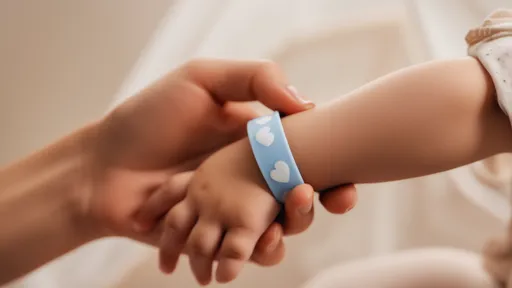
The world of wearable technology has taken a significant leap forward with the introduction of parent-child emotion bands. These innovative devices are designed to bridge the emotional gap between parents and children, offering real-time insights into each other's emotional states. Unlike traditional wearables that focus solely on physical health metrics, these bands delve into the psychological realm, creating a new dimension of connectivity within families.
At the heart of these emotion bands lies advanced biometric technology. By monitoring subtle physiological changes such as heart rate variability, skin conductance, and body temperature, the bands can detect emotional fluctuations with surprising accuracy. The data is then processed through sophisticated algorithms that categorize emotions into recognizable states like happiness, stress, or fatigue. This information is shared between paired devices, allowing parents and children to stay attuned to each other's feelings throughout the day.
The implications of this technology for modern parenting are profound. In today's fast-paced world, where family members often spend more time apart than together, these bands serve as an emotional lifeline. Parents working long hours can receive gentle alerts when their child shows signs of distress at school. Conversely, children can develop greater emotional awareness by seeing how their actions affect their parents' emotional states. This mutual understanding fosters deeper connections and more meaningful interactions.
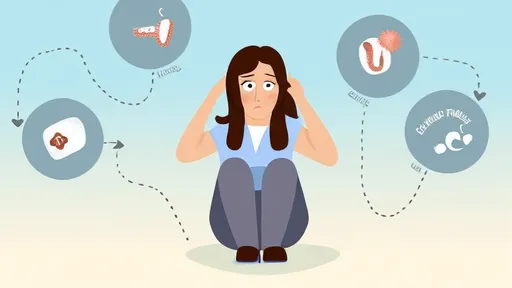
One particularly valuable application is in managing childhood anxiety. Many children struggle to articulate their emotions, leading to frustration on both sides. The bands provide a visual language for these complex feelings, with color-coded displays that even young children can understand. A parent might notice their child's band glowing orange during homework time, indicating frustration, prompting them to offer support before the situation escalates.
Privacy concerns have naturally arisen with such intimate technology. Developers have implemented robust security measures, including end-to-end encryption for all emotional data transmission. Users maintain complete control over what information is shared and with whom. The bands are designed to enhance, not replace, human connection - they serve as conversation starters rather than substitutes for genuine emotional engagement.
Educational psychologists have begun studying the long-term effects of using these devices. Preliminary research suggests that families using emotion bands demonstrate improved emotional vocabulary and conflict resolution skills. Children develop earlier emotional intelligence, while parents report feeling more confident in their parenting decisions. The bands seem particularly beneficial for children with autism spectrum disorders, helping them navigate the complex world of emotions.
As the technology evolves, future iterations may incorporate more advanced features. Some prototypes are experimenting with haptic feedback to provide comforting vibrations when a loved one is detected as stressed. Others are exploring integration with smart home systems, perhaps adjusting lighting or music based on the family's collective emotional state. The potential applications in therapy and counseling are also being explored.
Critics argue that over-reliance on technology for emotional connection could have unintended consequences. They worry that constant monitoring might create anxiety or prevent children from developing natural emotional coping mechanisms. In response, developers emphasize that the bands are tools, not solutions, and should be used as part of a broader parenting strategy that includes traditional bonding activities.
The market response has been overwhelmingly positive, with early adopters praising the devices for bringing a new level of understanding to their family dynamics. Many report that the simple act of checking each other's emotional status has become a bonding ritual in itself. As production scales up and prices become more accessible, these emotion bands may soon become as commonplace as baby monitors in modern households.
Looking ahead, the success of parent-child emotion bands signals a broader shift in wearable technology. The future likely holds more devices that prioritize psychological well-being alongside physical health. This represents an important recognition that true wellness encompasses both body and mind, and that technology, when thoughtfully designed, can enhance our most fundamental human connections.

By /Aug 19, 2025

By /Aug 19, 2025

By /Aug 19, 2025

By /Aug 19, 2025

By /Aug 19, 2025

By /Aug 19, 2025
By /Aug 19, 2025

By /Aug 19, 2025

By /Aug 19, 2025

By /Aug 19, 2025

By /Aug 15, 2025

By /Aug 15, 2025

By /Aug 15, 2025
By /Aug 15, 2025

By /Aug 15, 2025

By /Aug 15, 2025

By /Aug 15, 2025
By /Aug 15, 2025

By /Aug 15, 2025
By /Aug 15, 2025
