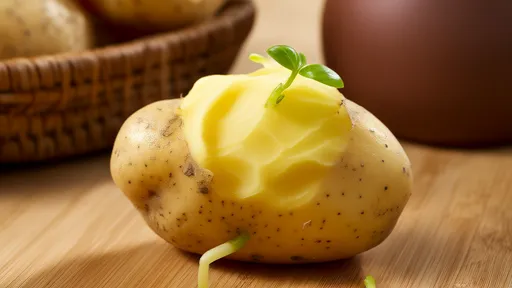
The sight of sprouting potatoes in your pantry might trigger immediate alarm bells – after all, we’ve all heard warnings about the dangers of green or sprouted spuds. But before you toss them into the compost bin, it’s worth understanding when they’re genuinely unsafe versus when they’re still perfectly edible. The key lies not in the sprouts themselves, but in what’s happening beneath the skin.
When potatoes begin to sprout, it’s a natural response to aging or improper storage. These little growths emerge as the tuber attempts to regenerate into a new plant. While this process might seem harmless, it signals biochemical changes within the potato that warrant closer inspection. The critical factor determining edibility isn’t the visible sprouts, but rather the concentration of solanine – a natural toxin produced as part of the plant’s defense mechanism.
Solanine develops in potatoes exposed to light or as they age, appearing as green patches under the skin. This bitter-tasting compound serves as the plant’s natural pesticide, deterring insects and animals from eating it. In humans, consuming excessive amounts can cause nausea, headaches, and in rare cases, more severe neurological symptoms. The sprouts themselves contain higher concentrations, but the real danger lies in whether the toxin has spread to the flesh.
Careful examination can help you make an informed decision. Cut away any sprouted eyes generously, removing at least half an inch of surrounding flesh. If the potato shows extensive green coloration or tastes bitter after cooking, discard it immediately. Proper storage – cool, dark, and dry conditions – significantly slows sprouting and solanine production, extending shelf life for months.
The nutritional impact of sprouting deserves consideration. As potatoes sprout, their starch converts to sugar to feed the new growth, potentially altering texture and flavor. While not harmful, this may affect cooking performance. Some traditional cultures actually prize slightly sprouted potatoes for their sweeter taste in certain dishes, demonstrating that context matters in food safety decisions.
Commercial potato varieties differ in their sprouting tendencies and solanine levels. Modern cultivars bred for extended storage contain lower initial glycoalkaloid concentrations. Organic potatoes might sprout faster without chemical inhibitors, but this doesn’t necessarily make them more hazardous – proper storage remains the universal equalizer. Interestingly, sweet potatoes (botanically distinct from regular potatoes) don’t produce solanine, making their sprouts harmless if somewhat unpleasant to eat.
Historical accounts reveal our complex relationship with potato toxins. Nineteenth-century Ireland’s heavy reliance on a single potato variety contributed to famine when blight struck, partly because people avoided wild or sprouted potatoes that could have provided emergency nutrition. Today’s food safety standards err on the side of caution, but home cooks can employ more nuanced judgment based on visible signs of spoilage rather than automatically discarding sprouted specimens.
When preparing suspect potatoes, certain methods reduce potential risks. Peeling eliminates most surface solanine, while boiling may leach some toxins into water (discard it rather than reusing). Frying at high temperatures doesn’t destroy glycoalkaloids, contrary to popular belief. Combining sprouted potatoes with other ingredients in soups or stews dilutes any remaining trace amounts, further minimizing theoretical risks for healthy adults.
Vulnerable populations should exercise greater caution. Children, pregnant women, or individuals with compromised immune systems might tolerate lower toxin levels before experiencing effects. When in doubt, substituting fresh potatoes provides peace of mind. For the average healthy adult, occasional consumption of properly prepared, slightly sprouted potatoes poses negligible risk compared to many other common food hazards we routinely accept.
Environmental considerations add another dimension to the sprouted potato dilemma. Food waste contributes significantly to greenhouse gas emissions, making thoughtful evaluation of marginally aged produce an ecological imperative. Learning to distinguish between dangerous spoilage and harmless natural processes helps reduce unnecessary disposal. Freezing cooked potato dishes made from questionable tubers provides another safety net, as extreme cold prevents any remaining toxins from increasing.
Ultimately, the decision to eat sprouted potatoes comes down to careful evaluation and personal risk tolerance. While food safety organizations understandably promote conservative guidelines to protect all consumers, knowledgeable home cooks can extend their potatoes’ usable life through informed handling. The presence of sprouts alone shouldn’t condemn a potato to the trash – but neither should we ignore the warning signs nature provides about when it’s truly past its prime.
By /Aug 19, 2025
By /Aug 19, 2025

By /Aug 19, 2025
By /Aug 19, 2025
By /Aug 19, 2025
By /Aug 19, 2025
By /Aug 19, 2025

By /Aug 19, 2025
By /Aug 19, 2025

By /Aug 19, 2025

By /Aug 15, 2025

By /Aug 15, 2025

By /Aug 15, 2025

By /Aug 15, 2025

By /Aug 15, 2025

By /Aug 15, 2025
By /Aug 15, 2025

By /Aug 15, 2025

By /Aug 15, 2025

By /Aug 15, 2025
