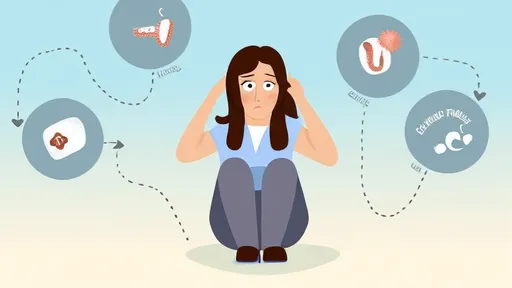
Feeling a sudden wave of dizziness can be unsettling, especially when it strikes without warning. While occasional lightheadedness may not always indicate a serious problem, understanding the potential causes can help you address the issue more effectively. Dizziness is a broad term that can describe sensations like vertigo, imbalance, or near-fainting, and pinpointing the exact cause often requires careful consideration of accompanying symptoms.
Dehydration is one of the most common culprits behind sudden dizziness. When your body loses more fluids than it takes in, blood volume drops, leading to reduced blood flow to the brain. This can result in lightheadedness, particularly when standing up quickly. Hot weather, intense exercise, or illnesses that cause vomiting or diarrhea can exacerbate dehydration. Even mild dehydration can trigger dizziness, so staying adequately hydrated throughout the day is crucial.
Another possible cause is a sudden drop in blood pressure, known as orthostatic hypotension. This occurs when you stand up too quickly, and your body struggles to adjust blood flow to the brain. While it’s often brief, frequent episodes could signal an underlying issue, such as heart problems or nervous system disorders. Older adults are particularly susceptible due to age-related changes in blood pressure regulation.
Inner ear disturbances are also a frequent source of dizziness, particularly vertigo—a spinning sensation that can make it difficult to maintain balance. Conditions like benign paroxysmal positional vertigo (BPPV) occur when tiny calcium crystals in the inner ear become dislodged, sending false signals to the brain about movement. Similarly, infections like labyrinthitis or vestibular neuritis can inflame the inner ear, leading to prolonged dizziness and nausea.
For some individuals, dizziness may stem from low blood sugar, especially if they haven’t eaten for an extended period. The brain relies heavily on glucose for energy, and a sudden dip in blood sugar levels can cause lightheadedness, confusion, or even fainting. People with diabetes are particularly at risk, but anyone can experience this if meals are skipped or unbalanced.
In rarer cases, dizziness may signal a more serious condition, such as a heart arrhythmia or even a transient ischemic attack (TIA), sometimes called a mini-stroke. These conditions often come with additional symptoms like chest pain, shortness of breath, or sudden weakness, warranting immediate medical attention. While not every dizzy spell is cause for alarm, persistent or severe dizziness should never be ignored.
Stress and anxiety can also play a significant role in sudden dizziness. The body’s fight-or-flight response can trigger hyperventilation, leading to a decrease in carbon dioxide levels and a sensation of lightheadedness. Panic attacks, in particular, can mimic more serious conditions, making it important to recognize the psychological factors that may contribute to dizziness.
If you frequently experience unexplained dizziness, keeping a symptom diary can help identify patterns or triggers. Note the timing, duration, and any accompanying factors, such as changes in posture, diet, or stress levels. This information can be invaluable for healthcare providers in diagnosing the root cause and recommending appropriate treatment.
While occasional dizziness may not be a cause for concern, recurrent episodes should prompt a visit to a doctor. Diagnostic tests, such as blood work, imaging, or balance assessments, may be necessary to rule out underlying conditions. In many cases, simple lifestyle adjustments—like increasing water intake, eating regular meals, or avoiding sudden movements—can make a significant difference.
Ultimately, sudden dizziness is a symptom that can arise from various factors, ranging from benign to serious. Listening to your body and seeking medical advice when needed ensures that you address the issue appropriately and maintain your overall well-being.

By /Aug 19, 2025

By /Aug 19, 2025

By /Aug 19, 2025

By /Aug 19, 2025

By /Aug 19, 2025

By /Aug 19, 2025
By /Aug 19, 2025

By /Aug 19, 2025

By /Aug 19, 2025

By /Aug 19, 2025

By /Aug 15, 2025

By /Aug 15, 2025

By /Aug 15, 2025

By /Aug 15, 2025

By /Aug 15, 2025

By /Aug 15, 2025

By /Aug 15, 2025

By /Aug 15, 2025

By /Aug 15, 2025

By /Aug 15, 2025
