For decades, microwave ovens have been a staple in kitchens around the world, offering a quick and convenient way to heat food. Yet, despite their widespread use, rumors persist that microwaving food could be harmful—even carcinogenic. The idea that this common appliance might cause cancer has fueled anxiety and confusion. But what does the science really say? Let’s separate fact from fiction.
The Origins of the Myth
The fear of microwaves causing cancer likely stems from a misunderstanding of how they work. Microwave ovens use non-ionizing radiation to heat food. Unlike ionizing radiation (such as X-rays or gamma rays), which can damage DNA and potentially lead to cancer, non-ionizing radiation lacks the energy to break chemical bonds or alter cells in this way. The radiation produced by microwaves is similar to the radiofrequency waves used in Wi-Fi or cell phones—just at a higher intensity to generate heat.
Another source of confusion is the word "radiation" itself, which often conjures images of nuclear disasters or toxic exposure. In reality, radiation simply refers to the emission of energy as waves or particles. Heat, light, and even the sound from your radio are all forms of radiation. The key difference lies in whether that radiation carries enough energy to ionize atoms—something microwave radiation cannot do.
How Microwaves Actually Heat Food
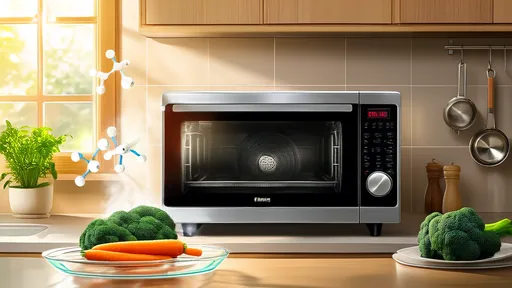
Microwaves heat food by causing water molecules within it to vibrate rapidly, generating heat through friction. This process is efficient and, contrary to popular belief, does not make food "radioactive" or alter its chemical structure in a way that would produce carcinogens. In fact, microwaving is often gentler on food than other cooking methods like grilling or frying, which can create potentially harmful compounds like acrylamide or polycyclic aromatic hydrocarbons (PAHs) at high temperatures.
Studies comparing different cooking methods have found that microwaving preserves nutrients like vitamin C and antioxidants better than boiling, for example, since it requires less water and shorter cooking times. The notion that microwaves "zap" nutrients out of food is another myth—overcooking, regardless of the method, is usually the culprit behind nutrient loss.
Addressing Common Concerns
One persistent worry is that microwaving food in plastic containers can release cancer-causing chemicals into the meal. While it’s true that some plastics contain compounds like bisphenol A (BPA) or phthalates that can leach into food when heated, this risk isn’t unique to microwaves. The solution? Use microwave-safe containers, typically labeled as such, or opt for glass or ceramic alternatives. The microwave itself isn’t the problem—it’s the choice of packaging.
Another claim is that standing too close to a microwave while it’s running could expose you to harmful radiation. Modern microwaves, however, are designed with safety features that prevent leakage. The U.S. Food and Drug Administration (FDA) regulates microwave oven manufacturing, requiring shielding that limits radiation to well below levels considered dangerous. As long as the appliance is in good condition (no damaged hinges or seals), the radiation emitted is negligible.
Expert Consensus and Regulatory Oversight
Major health organizations, including the World Health Organization (WHO) and the American Cancer Society, agree that microwave ovens do not pose a cancer risk when used properly. Decades of research have failed to link microwave use to carcinogenic effects. Regulatory agencies worldwide set strict limits on the amount of radiation microwaves can emit—far below the threshold for harm.
It’s worth noting that if microwaves were truly hazardous, the sheer number of studies conducted over the past 50 years would have uncovered clear evidence by now. Instead, the scientific literature consistently supports their safety. The real risks associated with microwaves are far more mundane: burns from overheated food or steam, or fires caused by improper use (like microwaving metal objects).
Practical Advice for Safe Microwave Use
While microwaves themselves aren’t carcinogenic, adopting a few sensible habits can ensure you’re using them as safely as possible. Always follow the manufacturer’s instructions, avoid heating food in non-microwave-safe containers, and stir food thoroughly to eliminate "hot spots" that could scald. Regularly inspect your microwave for signs of damage, such as a faulty door latch, which could (in rare cases) lead to unnecessary exposure.
For those still uneasy, remember that microwaving is just one of many cooking methods. A varied diet prepared through different techniques—steaming, baking, sautéing—can offer both culinary diversity and peace of mind. But if convenience is the priority, rest assured that the microwave on your counter isn’t a silent health threat.
The Bottom Line
The idea that microwaving food causes cancer is a myth rooted in misinformation about radiation and how microwaves function. Scientific evidence overwhelmingly confirms that microwave ovens are safe when used as directed. Far from being a health hazard, they’re a practical tool that can even help retain nutrients better than some traditional cooking methods. So the next time you reheat leftovers or pop popcorn, you can do so without fear—your microwave isn’t out to get you.
By /Aug 19, 2025
By /Aug 19, 2025

By /Aug 19, 2025

By /Aug 19, 2025

By /Aug 19, 2025

By /Aug 19, 2025
By /Aug 19, 2025

By /Aug 19, 2025
By /Aug 19, 2025

By /Aug 19, 2025
By /Aug 15, 2025

By /Aug 15, 2025

By /Aug 15, 2025

By /Aug 15, 2025

By /Aug 15, 2025

By /Aug 15, 2025

By /Aug 15, 2025
By /Aug 15, 2025

By /Aug 15, 2025

By /Aug 15, 2025
