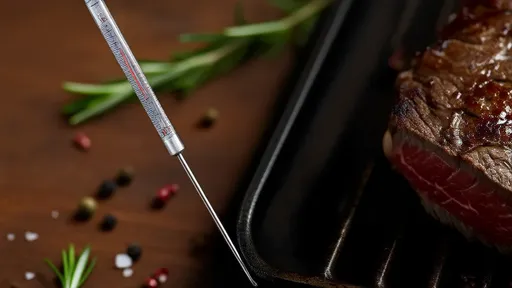
In the world of culinary arts, few skills are as revered—and as frequently botched—as the ability to cook meat to perfection. For generations, home cooks and even some professionals have relied on outdated, unreliable methods to determine doneness. The press of a finger, the color of the juices, the firmness of the flesh—these techniques are not just imprecise; they are a disservice to the ingredients and the effort invested in preparing a meal. It is high time we embrace a more scientific, accurate approach: the use of a temperature probe. This tool is not a luxury for the elite; it is an essential instrument for anyone serious about delivering consistently excellent results.
The romanticism surrounding the "art" of cooking often overshadows the undeniable science that underpins it. Proteins denature, fats render, and connective tissues break down at specific temperatures. These transformations are not subject to intuition or guesswork; they follow predictable, measurable patterns. A temperature probe provides immediate, objective data that tells you exactly what is happening inside the meat. It eliminates the anxiety of undercooking, which can pose health risks, and the disappointment of overcooking, which ruins texture and flavor. With a probe, you are not just hoping for the best; you are ensuring it.
Consider the stakes: a beautifully marbled ribeye, a succulent Thanksgiving turkey, or a delicate fillet of salmon. These are investments in both money and culinary ambition. To leave their fate to subjective measures is nothing short of irresponsible. How many holiday dinners have been marred by dry, stringy poultry because someone thought they could "just tell" it was done? How many expensive cuts of beef have been reduced to leathery disappointments due to fear of undercooking? The temperature probe is the antidote to this cycle of waste and regret. It empowers the cook with confidence, turning potential failures into guaranteed successes.
Beyond avoiding disaster, a temperature probe unlocks the full potential of your ingredients. Different types of meat and even different cuts within the same animal have ideal internal temperatures that maximize flavor and texture. For example, pork tenderloin is best at 145°F (63°C), where it remains juicy and tender, while pulled pork requires reaching 195-205°F (90-96°C) to break down collagen fully. Chicken breast, often overcooked to sawdust, is perfectly safe and moist at 165°F (74°C). Without a probe, hitting these narrow targets is nearly impossible. With one, it becomes a simple, repeatable process.
The argument against using a probe often boils down to a misplaced sense of tradition or a belief that it disrupts the cooking process. This is a myth that needs dismantling. Modern probes are sleek, fast, and minimally invasive. They do not "let the juices out," as old wives' tales suggest; a quick puncture seals almost instantly in hot meat. The momentary insertion provides a wealth of information that far outweighs any negligible loss. The disruption is, in fact, in *not* using one—gambling with your meal based on flawed heuristics.
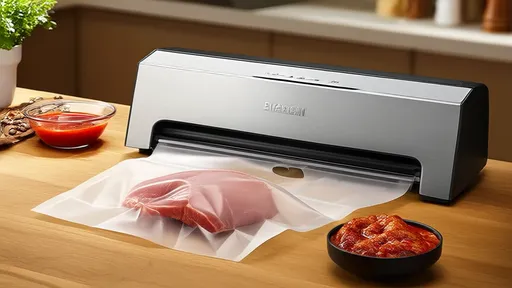
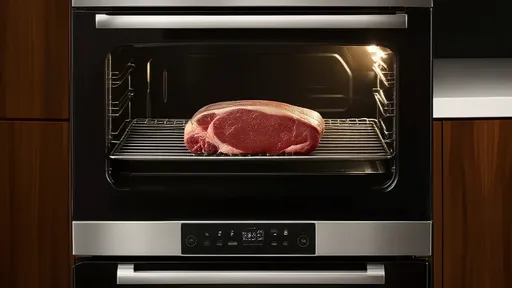
Furthermore, the data from a temperature probe allows for incredible precision in techniques like sous-vide, reverse searing, or slow roasting. These methods rely on holding meat at a specific temperature for extended periods to achieve textures that are impossible through guesswork. A probe is the linchpin of these advanced approaches, bridging the gap between home cooking and professional-grade results. It demystifies processes that might otherwise seem daunting, making high-level culinary achievements accessible to all.
In an era where food safety is paramount, the probe also serves as a critical line of defense. Pathogens like Salmonella and E. coli are killed at specific temperatures, not by color or feel. Relying on visual cues is a dangerous game, especially when cooking for vulnerable populations like children, the elderly, or those with compromised immune systems. The probe provides peace of mind, certifying that your food is not only delicious but also safe to eat. This alone makes it an indispensable tool in any kitchen.
Ultimately, adopting a temperature probe is about respecting the craft of cooking and the quality of your ingredients. It is a commitment to excellence over approximation, to knowledge over folklore. The initial investment is small—a reliable digital thermometer can be acquired for less than the cost of a single steak—but the returns are immense: perfectly cooked meat, every single time, with no more guesswork, no more anxiety, and no more disappointment. It is the simplest, most effective upgrade any cook can make. The era of poking and hoping is over; the age of precision has begun.

By /Aug 20, 2025
By /Aug 20, 2025
By /Aug 20, 2025

By /Aug 20, 2025
By /Aug 20, 2025

By /Aug 20, 2025

By /Aug 20, 2025
By /Aug 20, 2025

By /Aug 20, 2025
By /Aug 20, 2025
By /Aug 20, 2025
By /Aug 20, 2025
By /Aug 20, 2025
By /Aug 20, 2025
By /Aug 20, 2025
By /Aug 20, 2025
By /Aug 20, 2025
By /Aug 20, 2025
By /Aug 20, 2025
By /Aug 20, 2025
