There is something deeply comforting about the ritual of making masala chai from scratch. While tea bags and pre-mixed powders offer convenience, they simply cannot replicate the vibrant, complex symphony of flavors that comes from toasting and grinding your own spices. This is more than a recipe; it is an invitation to connect with an ancient tradition, to fill your kitchen with an intoxicating aroma, and to ultimately craft a cup of chai that is uniquely and profoundly yours.
The heart of authentic masala chai lies in its masala – the blend of spices. This is where the magic begins. Every family across India, and indeed every individual, guards their own cherished ratio, a secret formula passed down through generations or discovered through happy experimentation. The goal is not uniformity, but balance. A great blend harmonizes warmth, sweetness, pungency, and earthiness, creating a flavor profile that is both stimulating and soothing.
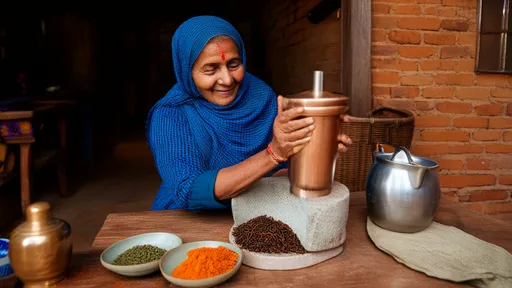
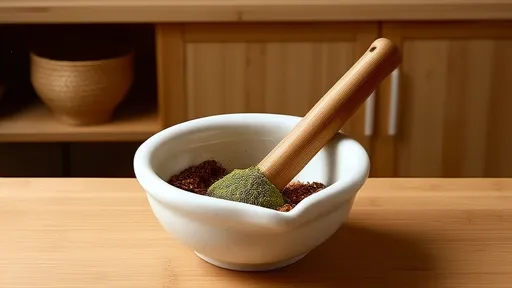
Before we delve into the specific ingredients, the single most important piece of equipment you will need is a reliable spice grinder or a powerful blender. A mortar and pestle, while traditional and offering a wonderful textural control, requires significant time and effort for a batch of any size. For consistent, fine grinding that releases the maximum amount of essential oils, a dedicated electric grinder is invaluable. Ensure it is completely dry before you begin.
The foundation of most masala blends is built upon four core spices. First, green cardamom. Use whole pods and crack them open slightly before measuring to allow the grinder better access to the intensely fragrant black seeds inside. Cardamom provides a sweet, floral, and slightly citrusy top note that is unmistakable in a good chai. Next, cinnamon, preferably Ceylon cinnamon sticks for its sweeter, more complex flavor compared to the more common cassia. It contributes a warm, woody sweetness that forms the backbone of the blend. Then comes clovesblack peppercorns bring a sharp, earthy heat that awakens the palate and provides the characteristic "kick" that defines a robust masala chai.
Beyond this essential quartet, a world of aromatic possibilities opens up. Ginger is a classic addition. Using dried ginger root powder provides a consistent, concentrated warmth, but many prefer to add fresh ginger directly to the pot when brewing the tea for a brighter, sharper heat. Star anise, with its powerful licorice flavor, can be used in very small quantities to add a layer of sweetness and complexity. A single piece of mace or a small grating of nutmeg introduces a warm, nutty essence. For a more earthy, savory undertone, a few fennel seeds work beautifully. Some even add a single black cardamom pod for a smoky, camphorous note, though this is a more acquired taste.
The process of creating your blend is as important as the ingredients themselves. Begin by gently toasting your whole spices in a dry skillet over medium-low heat. This step is non-negotiable. Toasting transforms the spices, deepening their flavors and releasing their volatile essential oils, which is what will make your kitchen smell like heaven. Stir them constantly for just two to three minutes, until they become fragrant and you hear the cardamom pods make a slight popping sound. Be vigilant; spices burn in an instant, and burnt spices will ruin your entire batch, making the chai bitter and acrid. Immediately transfer them to a plate to cool completely. Grinding warm spices will create steam, which can lead to clumping and a loss of potency.
Once the spices are completely cool to the touch, it's time to grind. Work in batches if your grinder is small. Pulse first to break down the larger pieces, then grind continuously for a minute or two until you achieve a fine powder. The goal is a texture similar to finely ground pepper. You may need to stop and shake the grinder to ensure an even consistency. If you are including ginger and it is not already powdered, it's best to grind it separately to a fine powder before combining it with the other spices, as its fibrous nature can sometimes be tricky.
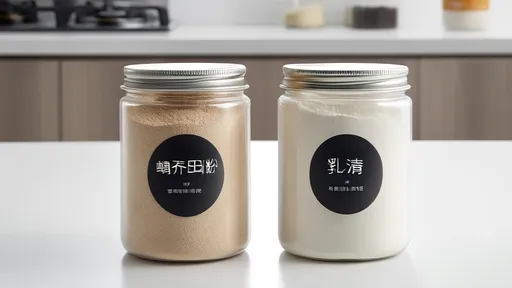
After grinding, your masala is alive with aroma and flavor, but it is also at its most volatile. To preserve its potency, storage is key. Transfer the freshly ground powder into an absolutely airtight glass jar. Keep it in a cool, dark cupboard, away from any heat source or direct sunlight. Properly stored, your homemade masala will retain its vibrant character for about two months, though for the absolute best flavor, using it within a month is ideal. The oils will gradually fade, so making smaller, more frequent batches is encouraged.
Now, for the alchemy of turning this spice blend into chai. The classic method involves simmering everything together. For two cups, combine one cup of water and one cup of milk in a saucepan. Add one tablespoon of loose-leaf Assam tea or another strong black tea, two teaspoons of sugar (or to taste), and half to a full teaspoon of your fresh masala blend, depending on your preferred strength. Bring this mixture to a boil, then immediately reduce the heat and let it simmer for three to five minutes, allowing the tea, spices, and milk to meld together. Watch it carefully, as milk can boil over in a flash. Finally, strain into cups and experience the difference.
The beauty of this process is its inherent flexibility. Your first batch is a starting point. Taste it critically. Do you want more heat? Add more pepper next time. More floral notes? Increase the cardamom. Prefer a deeper warmth? Boost the cinnamon and cloves. Perhaps you found the clove too strong; reduce it. Keep a small notebook. Jot down your ratios for each batch and your tasting notes. This is how you will develop your signature blend, a masala that perfectly suits your palate.
Engaging in this practice is to participate in a living history. You are not just making a spice mix; you are slow downing, engaging your senses of smell, touch, and taste. The act of toasting, grinding, and simmering becomes a meditation, a small act of creation that yields immense reward. The resulting cup is a world away from anything pre-packaged. It is nuanced, layered, and alive. It is a drink that comforts, invigorates, and tells a story—a story that you now have the power to write, one spice at a time.

By /Aug 20, 2025
By /Aug 20, 2025
By /Aug 20, 2025

By /Aug 20, 2025

By /Aug 20, 2025

By /Aug 20, 2025

By /Aug 20, 2025
By /Aug 20, 2025

By /Aug 20, 2025

By /Aug 20, 2025
By /Aug 20, 2025
By /Aug 20, 2025
By /Aug 20, 2025

By /Aug 20, 2025

By /Aug 20, 2025

By /Aug 20, 2025

By /Aug 20, 2025

By /Aug 20, 2025

By /Aug 20, 2025
By /Aug 20, 2025
