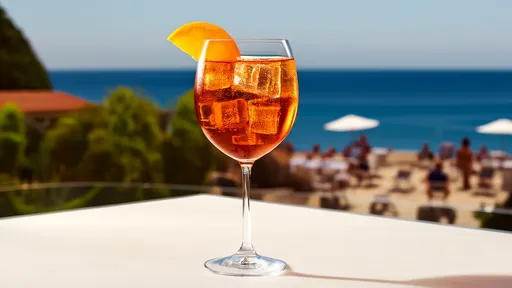
There is something undeniably magical about the golden hour in Venice, when the sun begins its slow descent behind the ancient palazzos, casting a warm, honeyed glow across the canals. In the piazzas, the gentle clinking of glasses provides the soundtrack to this daily ritual. At the heart of this symphony is the Aperol Spritz, a vibrant, effervescent cocktail that is far more than a simple drink; it is a cultural institution, a symbol of la dolce vita, and the subject of a surprisingly passionate debate that centers on a seemingly simple question: what is the perfect ratio of Prosecco to soda water?
The story of the Aperol Spritz begins not with a bang, but with a whisper of Austrian influence in the 19th century. The Habsburg soldiers stationed in the Veneto region found the local Italian wines too strong for their palates. Their solution was to "spritzen" or "spray" a splash of water into the wine, thus diluting it and creating a lighter, more refreshing beverage. This act of modification planted the seed for what would become a national pastime. Decades later, in 1919, the Barbieri brothers in Padua created Aperol, a unique aperitivo with a secret recipe of bitter and sweet oranges, rhubarb, and an array of herbs and roots. Its lower alcohol content (only 11%) and complex, yet approachable, flavor profile made it an ideal candidate to replace the water in the existing "spritz" formula. The modern Aperol Spritz was born, a perfect marriage of historical adaptation and modern ingenuity.
To understand the fervor surrounding the Prosecco-to-soda ratio, one must first appreciate the role of each component. Aperol is the soul of the drink. It provides the iconic sunset-orange hue and a complex flavor dance of sweet orange, bitter gentian, and cinchona, with subtle herbal undertones. It is the non-negotiable constant, the star around which the other elements orbit. Prosecco, the celebrated Italian sparkling wine from the Veneto region, is the engine of the cocktail. It brings the vital sparkle, a crisp acidity that cuts through the sweetness of the Aperol, and a delicate fruitiness—notes of green apple, pear, and white peach—that elevates the entire composition. It provides body, alcohol, and celebratory effervescence. Soda water, often the most underestimated ingredient, is the crucial moderator. Its primary function is dilution and lengthening. It tames the intensity of the Aperol, softens the alcoholic punch of the Prosecco, and integrates the flavors into a harmonious, thirst-quenching whole. It is the element that transforms a potent mix into a sessionable, refreshing aperitivo.
Walk into any bacaro in Venice or a trendy rooftop bar in Milan, and you will likely be served a Spritz adhering to the ratio popularized by its modern marketing boom: 3 parts Prosecco, 2 parts Aperol, and 1 part soda water. This 3:2:1 formula has become the international standard, a recipe etched into the memory of bartenders from London to Los Angeles. Its appeal is undeniable. It produces a drink that is balanced, approachable, and visually stunning with its distinct layers. The Prosecco is prominent enough to feel celebratory, the Aperol’s flavor is clear and present without being overwhelming, and the soda provides just enough lift and dilution to make the drink incredibly easy to sip. This is the Spritz of postcards and Instagram feeds, a reliably pleasant and consistent experience.
However, venture into the smaller, family-run bars in the lesser-touristed corners of the Veneto, the spiritual home of the Spritz, and you might encounter a different philosophy. Here, a more traditionalist, some would say purist, approach often holds sway. For these custodians of the original aperitivo culture, the modern ratio is a distortion, a concession to mass appeal that has sacrificed the drink's true character. Their argument is rooted in the very definition of an aperitivo: a drink designed to stimulate the appetite, not overwhelm it. They posit that the 3:2:1 ratio, with its heavier dose of Prosecco, creates a drink that is too alcoholic and too sweet, effectively dulling the palate rather than enlivening it.
The traditional alternative is often a much drier build. A common sight is a glass filled with a much larger proportion of soda water, sometimes approaching a ratio closer to 3 parts Prosecco, 1 part Aperol, and 3 parts soda. This creates a longer, lighter, far less sweet drink. The color is a paler, more translucent orange. The flavor profile shifts dramatically: the bitter-orange and herbal complexities of the Aperol become subtle whispers rather than bold declarations, and the crisp, dry character of the Prosecco and the refreshing quality of the soda take center stage. This is a Spritz designed for slow, steady consumption over the course of an hour or two, its low alcohol content ensuring it refreshes and prepares the stomach for the meal to come, in perfect alignment with its aperitivo purpose.
The debate between these two camps is rarely heated, but it is deeply felt. It is a tension between globalization and locality, between a standardized product and artisanal variation. The international standard offers consistency and immediate gratification—a recognizably delicious cocktail. The traditionalist version offers authenticity and a different kind of reward—one of subtlety, refreshment, and ritual. It is a reminder that the Spritz was not originally conceived as a "party drink" but as a sophisticated, functional part of the daily rhythm of Italian life. This divergence highlights a fascinating aspect of cocktail culture: a recipe is not a fixed law but a living tradition, constantly evolving and adapting to its context.
So, which ratio is correct? The answer, as with most things in the culinary world, is profoundly subjective. The "perfect" Aperol Spritz is the one that brings you the most pleasure in the moment you are drinking it. Are you at a summer garden party, looking for a vibrant, flavorful, and celebratory drink? The 3:2:1 ratio is your impeccable choice. Its bold color and flavor match the energy of the occasion. Are you sitting at a small table on a cobblestone street, watching the world go by as you wait for your dinner reservation? This is the moment for the traditionalist's longer, drier, more contemplative version. It is a drink for conversation and anticipation.
The true beauty of the Aperol Spritz lies in its flexibility. The prescribed ratios are not commandments but suggestions, a starting point for personal exploration. The choice of Prosecco itself will alter the equation; a sweeter, fruitier Prosecco will interact with the Aperol differently than a ultra-dry, mineral-driven brut style. The size and quality of the ice, the addition of the essential orange slice garnish, and even the shape of the glass—the wide-brimmed balloon glass is preferred for aroma—all contribute to the final experience. The best way to find your perfect Spritz is to experiment. Start with the classic 3:2:1. Then, try adding more soda. Then, try a version with less Aperol. Taste the differences side-by-side. Notice how the balance of sweet, bitter, and acidic shifts. Pay attention to the weight of the drink on your palate and how it makes you feel.
In the end, the debate over Prosecco and soda ratios is a testament to the cocktail's enduring appeal and cultural significance. It is a drink that invites participation, opinion, and personalization. It is a simple combination of three ingredients that, in the right proportions, can transport you to a sun-drenched piazza, if only for a moment. So, fill a glass with ice, pour, and stir. Whether you align with the modern standard or the traditional call for a drier serve, you are participating in a ritual that stretches back over a century. You are not just making a drink; you are crafting a moment of dolce far niente—the sweetness of doing nothing. And that is a ratio that needs no measurement at all.
By /Aug 20, 2025
By /Aug 20, 2025
By /Aug 20, 2025
By /Aug 20, 2025
By /Aug 20, 2025
By /Aug 20, 2025
By /Aug 20, 2025
By /Aug 20, 2025
By /Aug 20, 2025
By /Aug 20, 2025
By /Aug 20, 2025
By /Aug 20, 2025
By /Aug 20, 2025
By /Aug 20, 2025

By /Aug 20, 2025
By /Aug 20, 2025

By /Aug 20, 2025
By /Aug 20, 2025
By /Aug 20, 2025
By /Aug 20, 2025
